October 19, 2026
As the seasons change, preparing your swimming pool for colder weather becomes essential to protecting your investment. Proper winterization helps prevent freezing temperatures from damaging your pool's plumbing, equipment, and other components. Professional closing services simplify seasonal preparation by addressing your pool's specific needs before winter arrives.
Understanding what happens during a closing appointment helps you prepare for the off-season and avoid unnecessary complications when warmer weather returns. From cleaning and balancing the water to securing the cover, experienced technicians handle several important tasks to protect swimming pools throughout the winter. Professional winterization also helps homeowners identify potential maintenance concerns early and prepare their pools for a smoother transition between swimming seasons.
Know When to Schedule Your Pool Closing
Recognize the Right Time to Winterize
Timing is important when preparing swimming pools for winter. Closing too early can leave the water warm enough to encourage algae growth, while waiting too long can expose plumbing and equipment to freezing conditions. Monitoring seasonal temperatures helps homeowners determine when to arrange professional service.
According to PoolChecker, homeowners should consider closing their pools when afternoon water temperatures remain below 65°F for seven consecutive days. Local weather patterns and overnight temperatures can also influence scheduling decisions.
A professional technician can recommend an appropriate closing date based on current conditions and your pool's needs. Scheduling early also makes it easier to secure an appointment before seasonal demand increases, particularly when colder weather arrives unexpectedly.
Prepare Your Pool Before the Appointment
Homeowners can help streamline the closing process by removing leaves, twigs, and other visible debris before technicians arrive. Skimming the water and brushing the pool walls can reduce contaminants that might otherwise remain throughout the winter.
Share any concerns about leaks, unusual water loss, or inconsistent equipment performance with your service provider. Addressing these issues before winter can prevent existing problems from becoming more complicated in the spring. It is also helpful to mention previous repairs or recurring maintenance concerns.
You should ensure technicians can access the equipment area, plumbing components, and pool cover. These simple preparations allow professionals to focus on the work required to protect swimming pools.
Discuss Your Pool's Specific Needs
Not every pool requires the same closing procedure. In-ground and above-ground designs have different winterization requirements, while heaters, waterfalls, and attached spas may need additional attention.
During an initial assessment, a technician may inspect visible equipment, evaluate the pool cover, and identify components requiring special handling. They can also explain which services are included and recommend any additional maintenance.
A customized approach helps ensure your pool receives appropriate care based on its construction, plumbing configuration, and exposure to winter weather. Discussing special features beforehand also helps technicians prepare for the work involved.
Understand the Main Steps of Professional Winterization
Clean the Pool and Balance the Water
One of the first steps to closing swimming pools is preparing the water for several months without regular use. Leaves, dirt, and other debris can contribute to staining and encourage algae growth. Technicians typically skim the surface, vacuum the pool, and brush the walls and floor.
Cleaning may also involve emptying skimmer baskets and servicing the filtration system. Depending on its condition, the filter may need cleaning before the equipment is shut down. Removing contaminants helps maintain better water conditions throughout the off-season.
Water chemistry is equally important. A technician tests the water and adjusts the chemical balance, including sanitizer levels and pH. Appropriate winterizing chemicals help limit algae growth and staining while supporting a smoother spring opening.
Protect Plumbing and Pool Equipment
Freezing water can expand inside pipes and damage pumps, filters, heaters, and other components. Professional winterization therefore includes preparing the plumbing system to minimize freeze-related damage.
Technicians commonly use specialized equipment to blow water out of plumbing lines where appropriate. Skimmer lines, return lines, and other vulnerable connections may require particular attention, depending on the system's design.
Equipment preparation is another essential step. Professionals shut down the circulation system and prepare pumps, filters, heaters, and accessories for winter. Components may need to be drained, disconnected, or stored according to manufacturer recommendations. Following these procedures helps reduce the likelihood of expensive repairs when the swimming season returns.
Lower the Water Level and Install the Cover
Managing the water level is another important part of closing swimming pools. Depending on the pool's construction, surface materials, and cover design, technicians may lower the water to an appropriate level to protect vulnerable components from ice damage.
The correct level varies by installation, so homeowners should avoid assuming that one measurement works for every pool. A professional can determine the appropriate level based on the pool's requirements and winterization method.
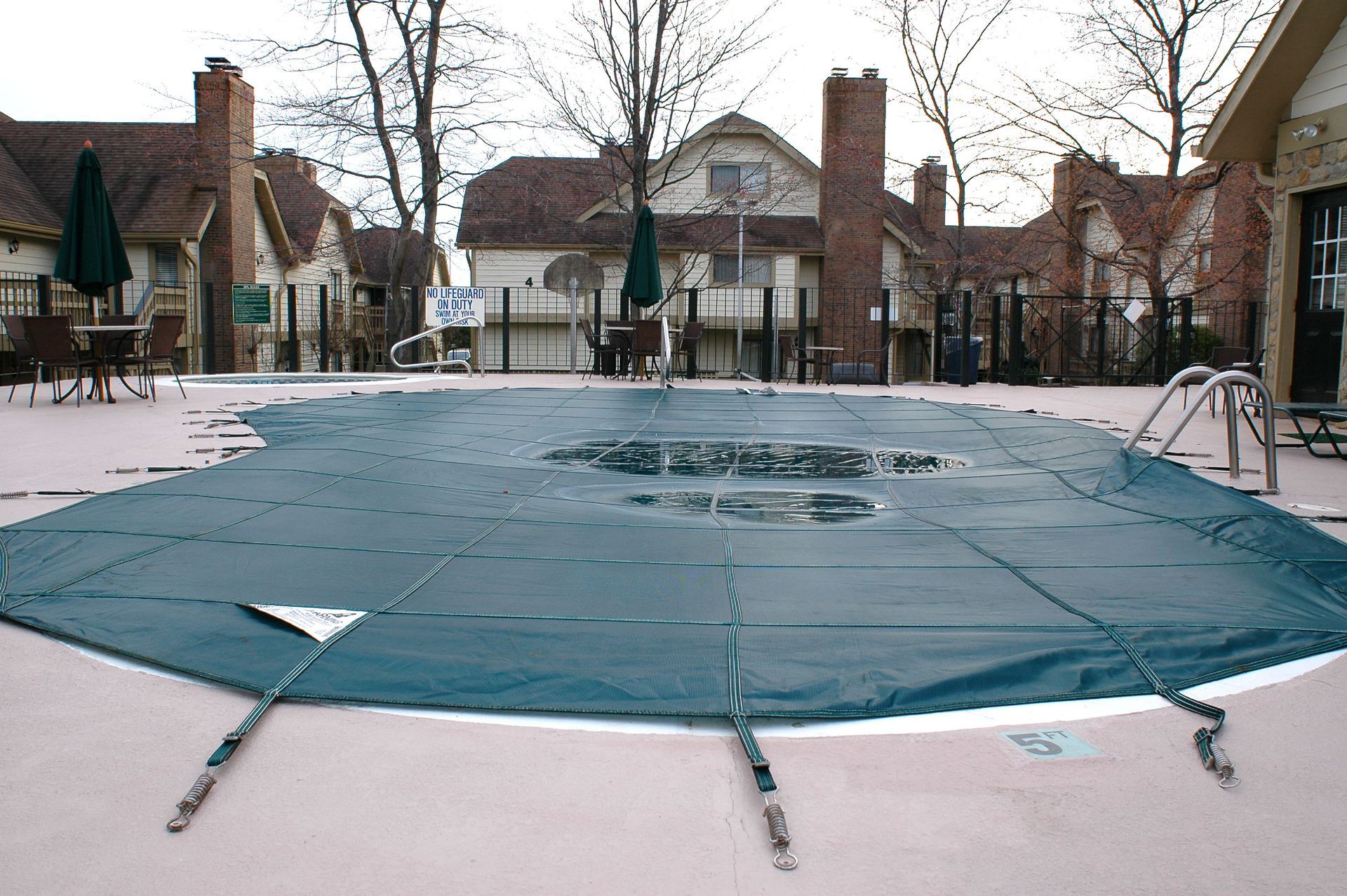
Once the other tasks are complete, the technician secures the winter cover. A properly fitted cover helps keep leaves, dirt, and other debris out of the water. The technician may also inspect its condition, fit, and anchoring points to help ensure it remains secure throughout the winter.
Protect Your Investment Throughout the Off-Season
Address Additional Maintenance Needs
A professional closing appointment can reveal maintenance concerns that deserve attention before winter. Worn equipment components, damaged plumbing connections, and deteriorating cover materials can affect your pool's ability to withstand seasonal conditions.
If a technician identifies a problem, ask whether it should be corrected before closing or addressed during the spring opening. Some repairs for swimming pools are easier to complete while equipment remains accessible, making prior planning worthwhile.
You can also ask about equipment warranties, replacement parts, and manufacturer-specific winterization instructions. Keeping track of recommended repairs helps you prioritize maintenance and prepare for the next season.
Monitor the Pool Cover During Winter
Professional winterization provides important protection, but seasonal care does not necessarily end once the cover is installed. Wind, snowfall, and falling branches can affect the cover and surrounding area.
Inspect the cover after significant storms for visible damage, displaced anchors, or unusual sagging. Depending on the cover type, accumulated water and debris may also need attention. Follow the manufacturer's instructions for safe inspection, and never walk across a pool cover to remove debris.
If you notice tears, loose connections, or other damage, contact a pool maintenance professional for guidance. Keeping the cover in good condition helps preserve the protection established during the closing appointment.
Plan Ahead for Spring Opening
Winterization also provides an opportunity to prepare for a smoother return to swimming. Before the technician leaves, ask what work was completed, whether any concerns were identified, and when to schedule your spring opening.
Keep service records, equipment instructions, and notes about recommended repairs in an accessible place. This information helps technicians understand your pool's condition when the system is restarted and identify any outstanding maintenance needs.
When warmer weather returns, professional pool opening services can help reconnect equipment, inspect plumbing, clean the pool, and balance the water. Combining closing and opening services creates a more organized seasonal maintenance routine and helps swimming pools remain in good condition between seasons.
Ultimately, professional pool closing services provide a systematic way to protect your pool from colder temperatures. Scheduling at the appropriate time, preparing equipment, and securing the cover can help minimize winter damage and simplify spring maintenance. Contact Premier Pools today to schedule your closing service and prepare your pool for the off-season.